Goldfish Varieties: Choosing the Perfect One for Your Pond
Are you picking pond goldfish… or accidentally auditioning sprinters, couch-potatoes and delicate divas for a very small, very wet Big Brother?
If you’ve ever stood at a garden centre pond and thought, “They’re all gold and they all fish—how hard can this be?”, you’re my favourite kind of optimist. The truth is, “goldfish” is a catch-all label slapped on a cast of wildly different characters. Some are streamlined, fast, and hardy (perfect for British ponds). Others are gloriously ornamental but prefer the steady indoor life, less North Sea in February, more kettle-on-and-slippers. Pick the wrong mix and you’ll end up with unhappy fish, winter woes, and a filter crying for mercy. Pick the right varieties and you’ll have years—decades, even—of colour, movement and oddly soothing feeding rituals.
This guide trims away the waffle and sorts pond-worthy goldfish from the high-maintenance houseguests. We’ll cover the hardy heroes (Common, Comet, Shubunkin, Sarasa Comet, Wakin), when (and if) fancy types like Fantails, Oranda and Ryukin belong outdoors, and the practical bits that actually matter in the UK: pond depth for wintering, water quality targets, stocking sense, feeding by temperature, and the crucial reminder never to “set them free” in local waterways (it’s illegal and ecologically disastrous). We’ll keep it straight, a bit cheeky, and thoroughly actionable.
By the end you’ll know exactly which varieties suit your pond, which to admire on Instagram, and how to give your chosen fish the environment they need to thrive—without turning your garden into a science project gone feral. Let’s match the right goldfish to your pond, and save both you and your gills-with-fins from future drama.
The Shortlist: Goldfish that Truly Thrive in UK Ponds
Common Goldfish (Carassius auratus)
The baseline fish. Streamlined body, single tail, strong swimmers, sociable, and famously forgiving of British mood-swings in weather. In a proper pond and with decent care, commons can reach 20–30 cm and live for decades. They look classic in solid orange, but you’ll also see bronze, white and bi-colours. Ideal for first-timers and mixed groups with other long-bodied types. Keep plenty of open water; they like to stretch their fins.
Comet Goldfish
Think “Common” but athletic—longer fins, deeper forked tail, and a bit more zip. They need space to cruise and will happily overwinter in a pond of sensible depth. If your pond is small and heavily planted, note they can be a touch boisterous at feeding time. Great colour pops in red, white or red-and-white.
Shubunkin (London, Bristol, American strains)
The calico show-offs: splashes of orange, white, black and blue on a long-bodied, single-tailed frame. Hardy, fast, and pond-perfect. London Shubunkin = stockier body, shorter tail. Bristol Shubunkin = the connoisseur’s choice with a distinctive rounded “heart-shaped” tail. American Shubunkin = longer fins, more flow. If you want colour drama without sacrificing robustness, start here.
Sarasa Comet
Looks like a tiny koi that read the British lease agreement. Red-and-white patterns, long single tail, and very similar needs to the standard Comet—so: hardy, active, and well-suited to ponds that give them room to move.
Wakin (for larger, milder ponds)
A halfway house between single-tail and fancy: longer body with a short double tail. They’re tougher than most “fancies” but still slower than Commons/Comets. Best kept without super-zippy pond mates so they don’t get outcompeted at mealtimes.
“Fancies” in a British Pond: Proceed with Caution
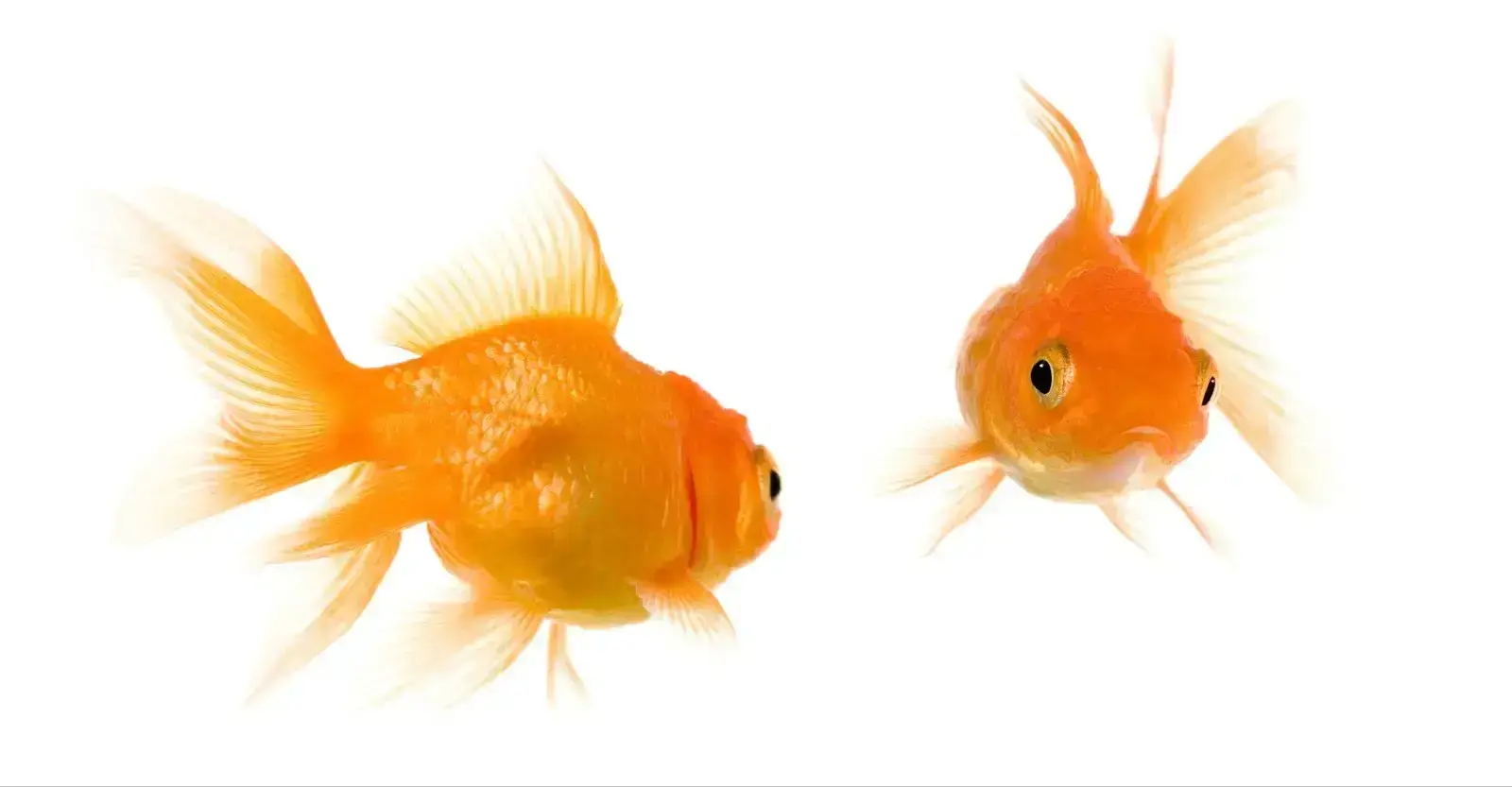
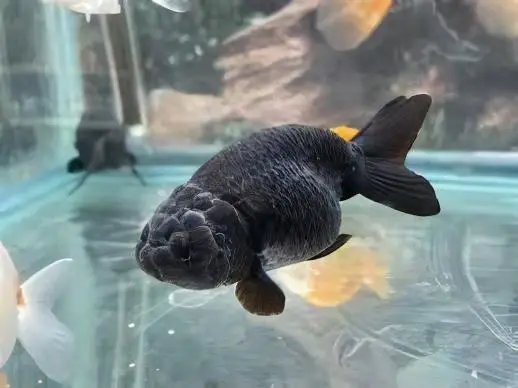
Fantail, Ryukin, Oranda, Black Moor, Veiltail—the beautifully oddballs with rounder bodies, double tails and, in some cases, fleshy head growths (the Oranda’s “wen”) or protruding eyes (Telescopes). They’re slower, less cold-tolerant, and more easily bullied by long-bodied speedsters. In the UK, many keep these indoors year-round; some move hardier fancies to outdoor ponds only in summer, separate from fast varieties, then bring them back in before the thermostat threatens single digits. If you absolutely must try a fancy outside, prioritise shelter, depth, low flow, predator protection, and a clear exit plan for autumn.
The Non-Negotiables: The Pond Itself
Depth and Overwintering
For goldfish ponds in the UK, aim for 45–60 cm minimum depth, with deeper sections preferred for thermal stability; koi need far more. This provides a 4 °C refuge at the bottom when ice visits the surface. In hard winters, use a de-icer or pond heater to keep a small hole ice-free for gas exchange—don’t smash ice (shock waves = bad).
Water Quality Targets (yes, they matter)
Temperature: 4–24 °C acceptable range for mixed coldwater ponds
pH: 6.5–8.5 (stable is better than “perfect”)
Ammonia & Nitrite: 0 mg/L (zero means zero)
Nitrate: keep within ~20 mg/L above your tap water baseline
Hardness: medium ranges are generally fine Weekly testing during the first months (and after any stocking change) saves lives and money.
Filtration, Circulation, Plants, and Predator Nets
A proper filter (sized for your adult fish load) is not optional; pair it with a pump for circulation/oxygenation. Live plants help take up nutrients and provide shade—water-lilies do double duty as sun hats for fish. In winter and after new additions, a pond net reduces losses to herons and foxes and stops daredevil jumpers making a break for the patio. Replace UV bulbs annually if you use a clarifier.
Stocking Without Chaos
How many fish can your pond support?
There’s no single magic formula because volume, filtration, plant load, and maintenance habits all interact. As a guideline, goldfish need notably more water per centimetre of body length than tropicals; plan conservatively and size your filtration for adult size, not cute-shop size. For new ponds, stock gradually to avoid “new pond syndrome” (filter bacteria lag behind sudden bioload spikes).
Compatibility
Long-bodied single tails (Common, Comet, Shubunkin, Sarasa) mix well together. Keep fancies either indoors or in their own slower, sheltered outdoor setup in warm months. Avoid mixing goldfish with species needing very different conditions (e.g., sturgeon demand cooler, highly oxygenated water and are a specialist commitment).
Feeding by Temperature (the grown-up way)
Goldfish are ectotherms; appetite tracks water temp. In spring and autumn, use easily digested wheatgerm feeds. In summer, step up protein for growth—but don’t overfeed (rotting leftovers fuel algae and wreck water quality). When the water drops near 8–10 °C, phase feeding out; below that, stop. In deep winter the fish will rest at the bottom. Resume slowly as temps rise; your filter bacteria also wake up groggily.
The Law & Ethics Bit (a tiny soapbox)
Do not release pet fish into the wild. It’s illegal, cruel, and ecologically damaging. Goldfish become invasive, degrade water quality, and hybridise with native and threatened species. If you can’t keep a fish, rehome responsibly through a retailer or club.
Quick Picks: Best Matches by Pond Style
Small to Medium Family Pond (good filtration, 45–60 cm deep)
Common/Comet/Sarasa/Shubunkin mixed shoal
Add plants for shade; net if herons visit; stock light at first.
Design-Led, Plant-Rich Pond (modest open water)
Shubunkin and Sarasa Comet for colour without diva demands.
Avoid fast Comet hordes in cramped quarters; feed lightly to keep water clear.
Big Formal Pond (roomy, deeper sections, robust kit)
Mixed single-tails (Common, Comet, Shubunkin, Sarasa, some Wakin).
Keep fancies separate if you must experiment in summer.
Fancy-Only Ambitions
Indoors year-round for best outcomes (Fantail, Oranda, Ryukin, Moors).
Outdoors only in settled warm spells, with a bring-inside plan.
Buyer’s Checklist (print-worthy)
Depth: ≥45–60 cm (koi are a different sport).
Test weekly until stable: NH₃/NH₂ 0, NO₃ low, pH 6.5–8.5.
Filter sized for adult biomass; circulate & aerate.
Plant for shade, use a net where predators roam.
Feed by temperature; wheatgerm shoulder seasons; stop near 8 °C.
Never release to the wild (illegal & harmful).
A Hampshire Pond That Got It Right
When Dan and Elise in Winchester inherited a slightly tragic pre-formed pond (think: green soup with a waterfall that coughed), they wanted “proper” pond goldfish that wouldn’t need a heated greenhouse or therapy. The brief: low faff, high colour, winter-capable.
The plan began with infrastructure. They replaced the dinky old liner with a 2.8 m x 2 m flexible liner and built in a two-tier profile: marginal shelves at 20–30 cm and a deep section at ~65 cm for overwintering. The filter was upgraded to a pressurised unit rated for double the pond’s volume, with a UV clarifier, and the pump positioned to keep a gentle circular flow. A discreet de-icer was bought for winter gas exchange insurance (no sledgehammer ice “maintenance” on this watch).Stocking was paced: month one featured four Shubunkin (two London, two Bristol-type) and two Sarasa Comets—all long-bodied single tails to keep the swimming tempo matched. They deliberately avoided fancies (Elise loved Orandas but conceded they’d be indoor VIPs one day). The couple logged weekly water tests for ammonia, nitrite, nitrate and pH, bumping up plants (oxygenators plus a dwarf lily) as nitrate crept up in early summer.
Feeding followed the thermometer. A light wheatgerm feed in April as the fish woke up, standard floating pellets May–August, then back to wheatgerm in late September, tapering to nothing as the water slipped below 10 °C. Result: steady growth, zero filter crises, and no algal apocalypse.
By October they added a predator net after a heron’s early-morning reconnaissance. Through winter, the de-icer kept a saucer-sized hole open during cold snaps, and the fish rested in the deeper section. Spring arrived; all fish accounted for, colours richer than when purchased. They introduced two more Sarasa Comets, but skipped the impulse buy of a sturgeon a salesman pushed once they learned those require large, highly oxygenated specialist systems (absolutely not this pond).
Twelve months on, Dan’s only regret? Not going bigger from day one. The Shubunkin’s calico patterns look cinematic against lilies, and the Sarasa’s red-and-white flash like tiny koi—without the koi-scale budget or space. Maintenance is now muscle memory: a quick weekly test, a gentle filter rinse in pond water when flow drops, dead leaf removal in autumn, and smug tea-drinking while visitors ask for the fish’s names. (Yes, they named them. No, we won’t judge.)
Key takeaways: pick long-bodied single tails for UK ponds, prioritise depth and filtration, stock slowly, and feed by temperature. Treat fancies as indoor art or summer-only guests. This is how you get a resilient, colourful pond without drama.
“Choose fish that suit your pond—not a pond that must babysit your fish.”
Ready to stock (or restock) your pond the smart way? Chat to us about a matched shoal of hard-as-nails Shubunkin, Comets and Sarasa—plus the plants, tests and feed to keep them thriving. We’ll help you avoid the expensive mistakes and build a pond that’s beautiful and bullet-proof for British weather.
Our goal is to help people in the best way possible. this is a basic principle in every case and cause for success. contact us today for a free consultation.