


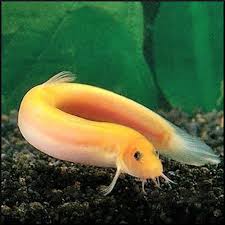
The Golden Weather Loach is one of those fish that looks like it was designed by nature on a Friday afternoon after a long lunch. Long, golden, whiskered, slightly ridiculous and utterly charming — it is part fish, part aquatic noodle, part storm-warning system.
Also known as the Weather Loach, Dojo Loach or Misgurnus anguillicaudatus, this peaceful bottom-dweller is popular because it is hardy, active and genuinely entertaining to watch. The Golden Weather Loach sold by DC Freshwater Fish is listed at 2–4 inches, with a stated maximum size of around 15cm, and prefers temperate water between 10–25°C with a pH range of 6.5–8.0.
Despite being described as a cold-water fish, the Golden Weather Loach is best treated as a temperate aquarium fish, not something to casually chuck into any pond and hope for the best. It is non-native, active, peaceful, curious and happiest when given clean water, soft substrate, hiding spaces and room to explore.
In this guide, we’ll cover everything you need to know about Golden Weather Loach care, including tank setup, feeding, water temperature, tank mates, behaviour, common mistakes and how to keep this golden little oddball healthy.
The Golden Weather Loach is a colour form of the Weather Loach, Misgurnus anguillicaudatus. It has a long eel-like body, sensory barbels around the mouth and a golden-yellow colouration that makes it stand out beautifully against darker substrate, plants and natural décor.
These fish are famous for becoming more active when atmospheric pressure changes, which is where the “weather” part of the name comes from. Before storms or changes in air pressure, they may suddenly zip around the tank as if someone has just told them the Wi-Fi is down.
They are bottom dwellers, meaning most of their time is spent exploring the substrate, searching for food and generally poking their whiskery faces into everything. If you want a fish that sits decoratively like a living ornament, this is not that fish. This one has places to be, gravel to inspect and nonsense to perform.
| Care Area | Recommendation |
| Scientific name | Misgurnus anguillicaudatus |
| Common names | Golden Weather Loach, Weather Loach, Dojo Loach |
| Size sold | Approx. 2–4 inches from DC Freshwater Fish |
| Maximum size | Around 15cm listed by DC Freshwater Fish |
| Temperature | 10–25°C temperate water |
| pH | 6.5–8.0 |
| Temperament | Peaceful, active, bottom-dwelling |
| Diet | Sinking pellets, pond foods, insect matter, frozen foods |
| Tank lid | Essential |
| Substrate | Sand or smooth fine gravel |
| Best for | Temperate aquariums, experienced cold-water keepers, peaceful community tanks |
Golden Weather Loaches are not delicate little ornaments. They are active bottom explorers. That means the tank footprint matters more than height. A long aquarium with plenty of bottom space is far better than a tall, narrow tank that looks impressive but gives the fish nowhere useful to rummage.
Think less “luxury penthouse” and more “bungalow with a massive garden”.
A single Weather Loach can be kept in a suitable tank, but they often do well in groups where space allows. They are sociable, peaceful fish and are usually much more interesting when kept in an environment that allows natural behaviour.
Golden Weather Loaches love to dig and forage. Their barbels are sensitive, so avoid sharp gravel. Coarse gravel can damage their mouthparts and skin. A soft sand substrate or very smooth fine gravel is ideal.
This is not a fish to keep on jagged builder’s rubble because “it looked rustic”. Rustic is lovely for pub interiors. Less lovely for a loach’s face.
Use smooth rocks, bogwood, caves, plants and shaded areas. Weather Loaches are active but still appreciate somewhere to retreat. A comfortable loach is a confident loach, and a confident loach is much more fun to watch.
Good décor choices include:
Avoid sharp ornaments, rough stones or anything with tiny holes they could wedge themselves into. They are curious fish, and curiosity plus bad aquarium décor is how you end up with a rescue mission involving tweezers, panic and language not suitable for the family WhatsApp group.
Golden Weather Loaches are hardy, but hardy does not mean indestructible. This is where many fishkeepers go wrong. They hear “hardy” and translate it as “can survive my laziness”. No. Hardy means forgiving, not magical.
DC Freshwater Fish lists the ideal pH range as 6.5–8.0 and temperate water between 10–25°C. In practice, they are best suited to a stable, cool-to-temperate aquarium rather than a hot tropical setup.
| Parameter | Recommended Range |
| Temperature | 10–25°C |
| Comfortable aquarium range | Around 15–25°C |
| pH | 6.5–8.0 |
| Water movement | Gentle to moderate |
| Filtration | Strong enough to keep water clean, not blasting them across the tank |
| Water quality | Stable, clean and well oxygenated |
Usually, no — not in a normal UK indoor temperate aquarium. They are not tropical fish and should not be kept permanently at high tropical temperatures. If your home gets extremely cold, a thermostat may be useful to prevent sudden drops, but the goal is stable temperate water, not a tropical sauna.
Keeping them too warm for too long can stress them. They are much better suited to cooler freshwater systems than classic tropical community tanks.
Yes. Absolutely. No debate. No “I’ll risk it”. No “there’s only a small gap”.
Golden Weather Loaches are known escape artists. They can find open holes in the top of a tank, so the hood should be secure.
These fish can become especially active during storms or pressure changes. That’s charming inside the tank. Outside the tank, it becomes a very sad wildlife documentary filmed on your laminate flooring.
If there is a loach-sized gap, assume the loach has already drawn up the escape plan.
Golden Weather Loaches are easy to feed. They eat a varied diet and will happily search the substrate for food, but they should not be treated as a substitute for proper tank maintenance.
A good diet should include:
Because they feed at the bottom, use sinking foods. Floating flakes may be eaten by faster tank mates before the loach gets a look in. And frankly, watching a bottom-dweller try to compete with greedy surface feeders is like watching someone queue politely at a buffet while everyone else attacks the sausage rolls.
Feed once daily, offering only what the tank can consume within a few minutes. You can also include a few smaller feeds depending on your aquarium stock.
Because they are scavengers, people sometimes assume they will “clean the tank”. This is nonsense dressed as advice. They will eat leftover food, yes, but they still need proper feeding and clean water.
A Golden Weather Loach is not a vacuum cleaner with whiskers.
Golden Weather Loaches are peaceful and can live alongside many other temperate fish. They are bottom-dwelling fish that can be kept alongside many other suitable cold-water or temperate species.
Good options may include:
Avoid:
Golden Weather Loaches are peaceful, but they are not motionless. They can be active, wriggly and enthusiastic. Pair them with fish that won’t be stressed by a golden underwater sausage suddenly zooming past like it has remembered an appointment.
This needs care.
The Golden Weather Loach is often listed as a cold-water fish, but it should be treated as a temperate aquarium fish. It is also a non-native species, so it should never be released into ponds, rivers, lakes, canals or any wild waterway.
The safest recommendation for most keepers is to keep the Golden Weather Loach in a secure indoor temperate aquarium, not an outdoor pond.
This is important. They are non-native. Do not release them into rivers, ponds, lakes, streams or canals. Ever. Not if they get too big. Not if you move house. Not if your cousin says, “They’ll be fine in the local pond.” Your cousin is wrong.
If you can no longer keep one, contact an aquatic retailer, rescue group or experienced fishkeeper.
Weather Loaches may suddenly dash around the tank, especially during pressure changes. This is normal behaviour, assuming water quality is good and they are not gasping, flashing or showing signs of stress.
They may bury themselves in soft substrate or nose around the bottom looking for food. This is one reason soft substrate is so important.
They may rest in strange places or at strange angles. Many loaches have mastered the ancient art of looking dead while being completely fine. Still, check breathing, colour, appetite and behaviour if something seems off.
Once settled, many Weather Loaches become confident feeders. They may learn routines and appear when food is added.
They are temperate fish. Long-term tropical temperatures can be stressful. Keep them cool, stable and comfortable.
Sharp substrate can damage their barbels. Use sand or smooth fine gravel.
They escape. Secure the tank. Then secure it again. Then look at it from the perspective of a suspiciously determined aquatic noodle.
They are not there to fix overfeeding, poor filtration or lazy maintenance. They need proper food and proper care.
They are non-native. Do not release them into the wild.
Good loach care is not complicated. It is mostly clean water, suitable food, soft substrate and not giving them an escape route. In other words, basic fishkeeping — but with more whiskers.
A customer setting up a temperate aquarium wanted something more interesting than the usual “small fish swimming politely in the middle” setup. The tank already housed White Cloud Mountain Minnows and a few peaceful cold-water species, but the bottom of the aquarium felt empty.
A Golden Weather Loach was introduced after the tank had matured and water parameters were stable. The keeper used smooth sand, added rounded stones, driftwood and several shaded areas. Instead of blasting the aquarium with strong flow, they used steady filtration with gentle movement across the bottom.
At first, the loach stayed hidden, doing the classic new-fish routine of pretending it had joined witness protection. After a few days, it began exploring at dusk, then gradually became more active during feeding time. Sinking pellets were added after the faster mid-water fish had been fed, which meant the loach actually got its share instead of watching the minnows perform a robbery.
The biggest issue came during the first thunderstorm. The loach became dramatically active, racing around the bottom and up the sides. Fortunately, the keeper had already secured the aquarium lid after reading that Weather Loaches are known escape artists. Without that lid, the story could have ended with a frantic search behind the cabinet and an emotional support biscuit.
Over time, the Golden Weather Loach became one of the most watched fish in the tank. Not because it was the flashiest, but because it had character. It dug, explored, rested in silly positions and added movement to an area of the aquarium that had previously been ignored.
The lesson? Give this fish the right environment and it becomes a brilliant cold-water character fish. Give it sharp gravel, no lid and poor feeding, and you’re basically running a tiny underwater complaints department.
“The Golden Weather Loach is not just a bottom-dweller — it is the aquarium’s resident oddball, storm detector and professional gravel inspector.”
Yes — provided you understand what it needs.
The Golden Weather Loach is hardy, peaceful and full of personality, but it still needs responsible care. Keep it in a suitable temperate aquarium, provide soft substrate, feed proper sinking foods, secure the lid and never release it into the wild.
Do that, and you get one of the most entertaining cold-water fish available: a golden, whiskered little character that turns the bottom of your tank from dead space into prime-time television.
Looking for a characterful cold-water fish with proper personality?
Explore the Golden Weather Loach at DC Freshwater Fish and build a temperate aquarium that actually has something interesting going on at the bottom.


Our goal is to help people in the best way possible. this is a basic principle in every case and cause for success. contact us today for a free consultation.
Sign up to our newsletter