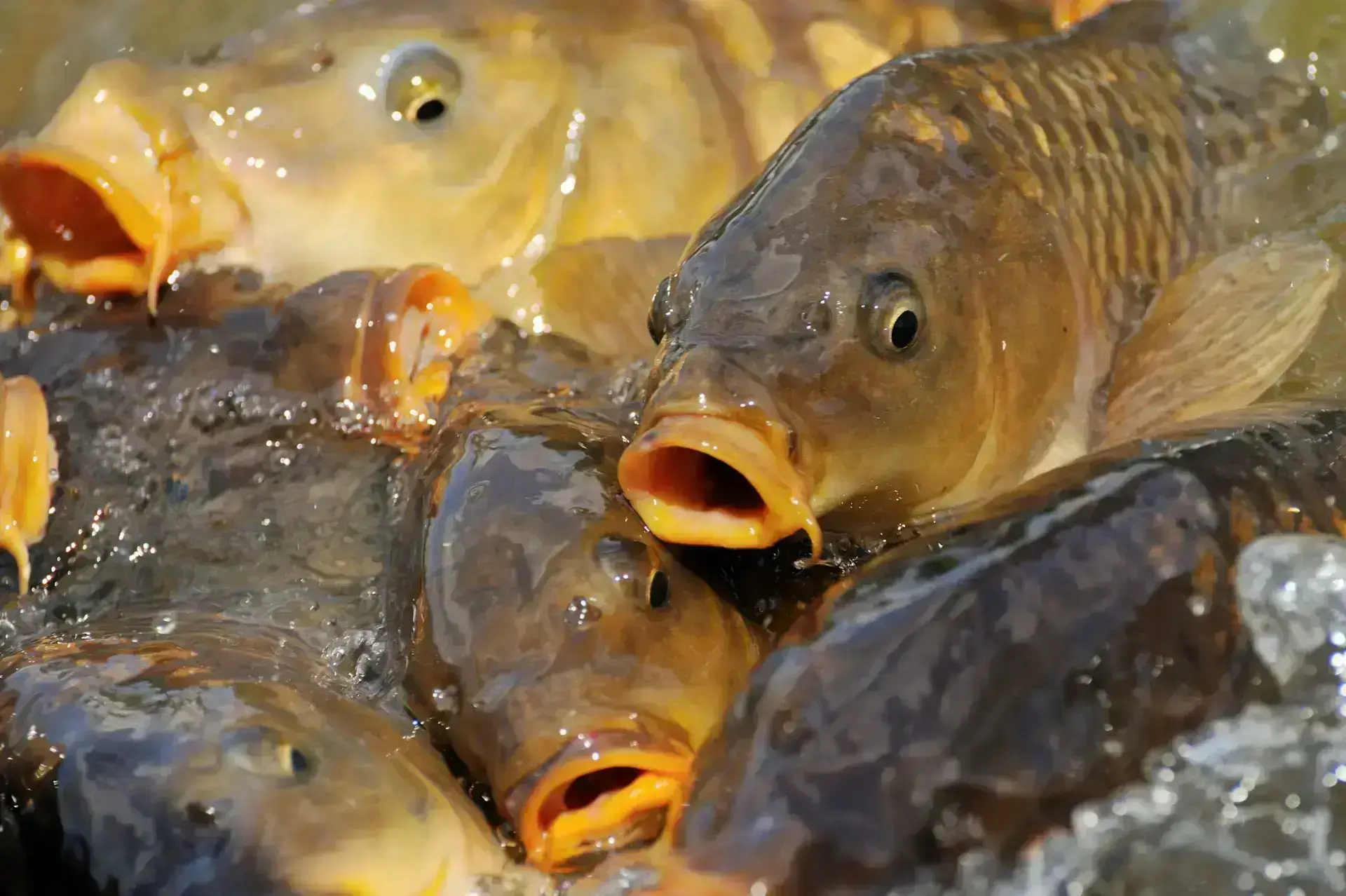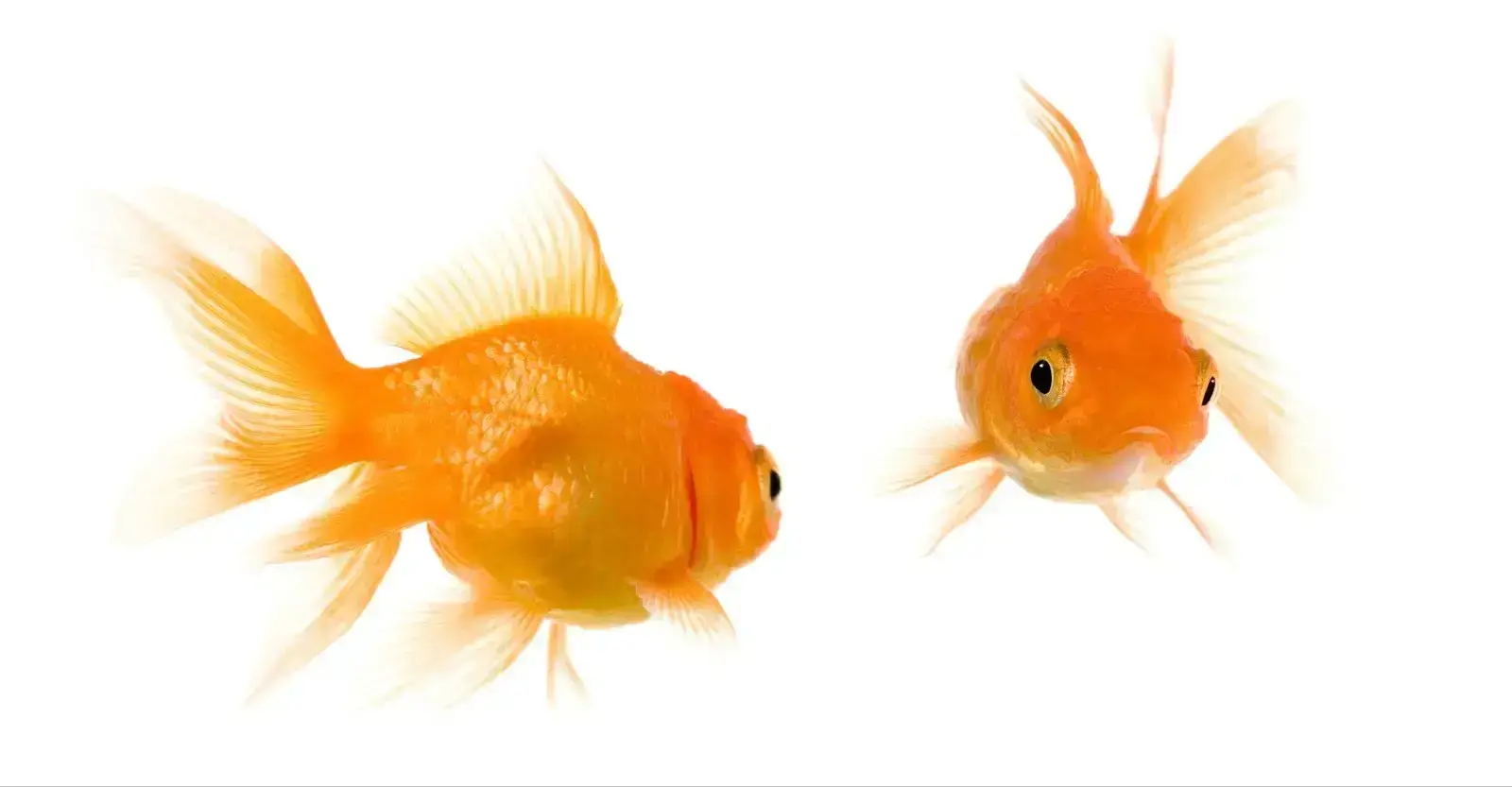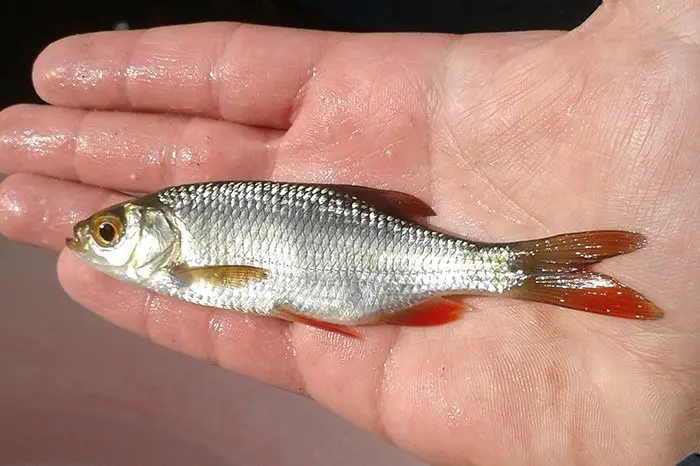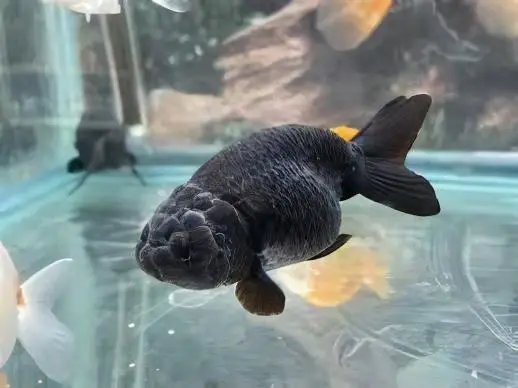



When most people think about pond fish, they picture giant koi gliding about like underwater limousines. Or goldfish. Always goldfish. Because apparently every pond in Britain signed the same design agreement in 1987.
But hidden beneath the surface of streams, canals, ponds, ditches, and forgotten waterways is one of the most intelligent, aggressive, colourful, and downright fascinating fish native to the UK.
The Three Spined Stickleback.
Tiny? Yes.
Forgettable? Absolutely not.
This little fish has spent decades being underestimated while quietly becoming one of the most studied freshwater fish species on Earth. Scientists love them. Wildlife ponds thrive with them. Predatory fish respect them. And once you actually watch them properly, you realise they have more personality than half the tropical fish sold in chain pet shops.
At DC Freshwater Fish, the Three-Spined Stickleback is becoming increasingly popular with pond keepers wanting something more natural, more active, and frankly… more interesting.
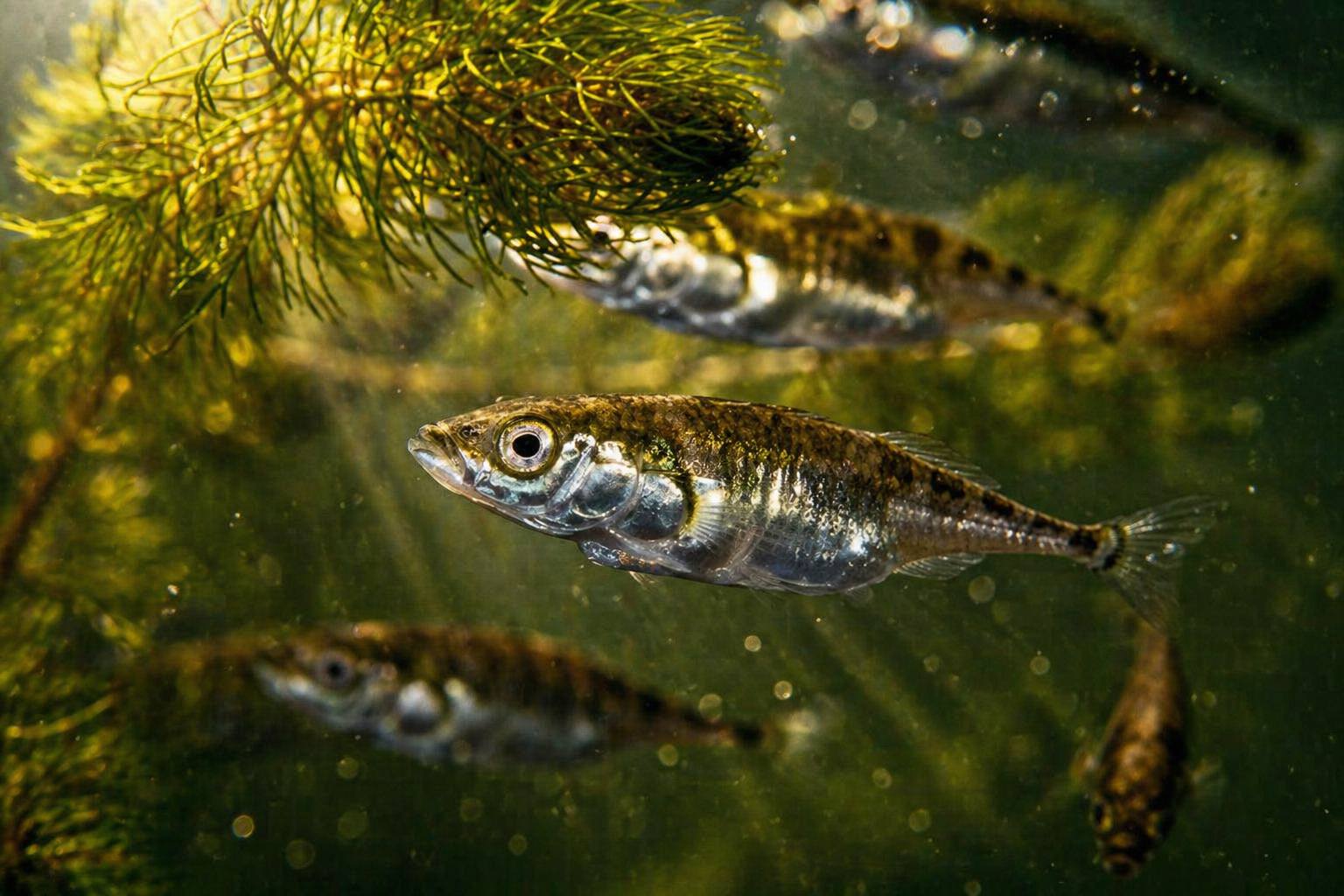
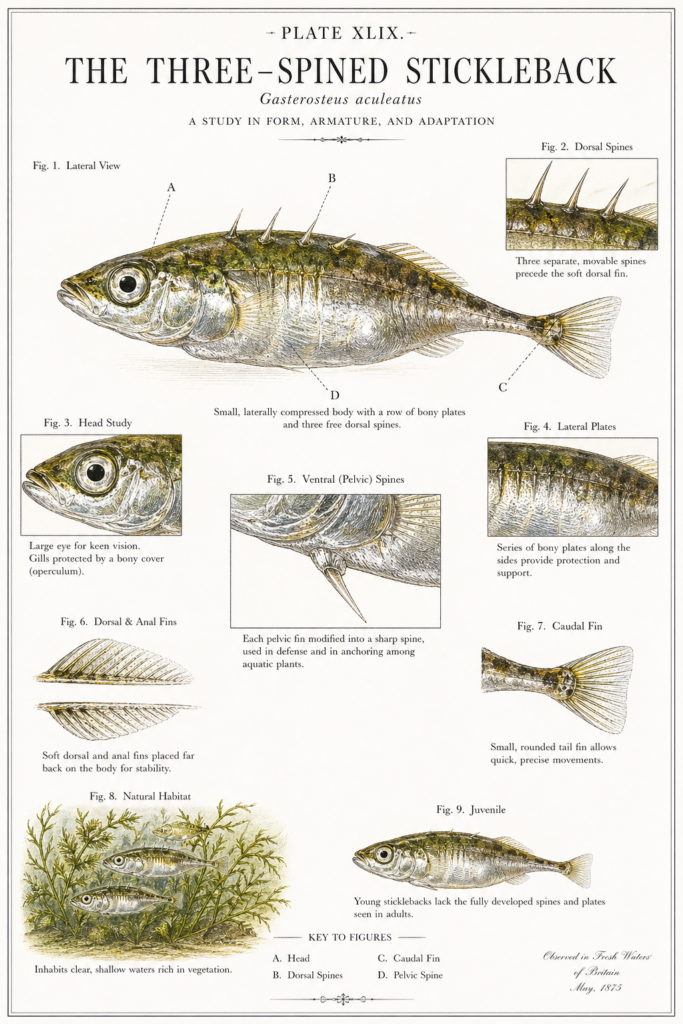
The Three-Spined Stickleback (Gasterosteus aculeatus) is a small native British fish found across the UK in freshwater, brackish water, canals, ponds, rivers, and even coastal areas. They usually grow between 4–8cm long and are instantly recognisable thanks to the three sharp dorsal spines running along their back.
And despite their size, these fish are absolute warriors.
They’re territorial.
Fast-moving.
Highly adaptive.
Extremely intelligent for a fish.
And during breeding season? They become one of the most visually stunning native fish in Britain.
Male sticklebacks develop vivid red bellies and striking blue eyes during spawning season, using these colours to attract females and intimidate rival males.
Honestly, nature absolutely overdelivered on the design brief.
For years, sticklebacks were overlooked because they’re small. That was the mistake.
Modern wildlife pond owners are now shifting away from “ornamental only” ponds and creating ecosystems that actually feel alive. That’s where sticklebacks become brilliant.
Unlike larger pond fish that spend half the day pretending to be decorative logs, sticklebacks are always active.
They dart through plants.
Patrol territories.
Interact socially.
Investigate movement.
Hunt tiny prey.
A pond with sticklebacks feels alive every minute of the day.
If you want a natural British pond aesthetic, these fish are ideal.
They suit:
And because they’re native, they simply look right in British aquatic environments.
Here’s where things get properly interesting.
The Three-Spined Stickleback isn’t just another fish species. It became one of the most important species in behavioural science.
Why?
Because these tiny fish display astonishingly complex behaviour.
Not metaphorically. Literally.
During breeding season, the male creates a tunnel-shaped nest using aquatic plants and debris glued together with a special protein substance produced by its body called “spiggin”.
Then comes the famous stickleback courtship dance.
The male zig-zags aggressively in front of females to lure them into the nest. Once eggs are laid, the female is chased away and the male becomes full-time security guard, oxygen engineer, and helicopter parent.
He fans the eggs continuously with his fins to oxygenate them.
He repairs the nest.
He protects the fry.
He literally spits wandering babies back into safety.
Meanwhile half of humanity can’t remember bin collection day.
Three-Spined Sticklebacks are famously resilient fish.
They tolerate:
They’re often among the first fish to recolonise damaged or polluted waterways.
Basically, if the apocalypse happens, chances are there’ll be sticklebacks arguing over territory somewhere underneath the rubble.
Not everyone wants massive koi ponds requiring second mortgages to heat and maintain.
Sticklebacks work brilliantly in smaller setups.
Because they stay relatively small:
And unlike some fish that vanish into the deepest part of the pond until feeding time, sticklebacks are visible constantly.
Most people only know sticklebacks in their neutral silver-green state.
That changes dramatically during breeding season.
The males develop:
Researchers have studied these colour changes extensively because females actively choose brighter males during mating season.
In plain English?
The brighter the male, the more attractive he becomes.
Nature invented social media long before humans did.
Sticklebacks are forgiving, but they thrive in:
These fish absolutely love structure.
Good pond planting helps:
Think:
They generally work well with:
But breeding males can become territorial.
Tiny fish. Massive ego.
Because sticklebacks demonstrate visible behaviour, they’re brilliant educational fish.
Students can observe:
Few native fish offer so much visible activity in such a compact package.
People assume small means boring.
That’s completely backwards with sticklebacks.
These fish punch miles above their weight in terms of:
And once you start watching them properly, larger ornamental fish can suddenly feel oddly… static.
“The Three-Spined Stickleback proves you don’t need giant fish to create a fascinating pond. Sometimes the smallest fish create the biggest personality.”
If you want to create a more natural, active, wildlife-focused pond, these special deals are ideal.
Perfect for larger wildlife ponds and natural ecosystems.
Ideal for smaller ponds, schools, and starter wildlife projects.
The Three Spined Stickleback might just be Britain’s most underrated pond fish.
They’re tough.
Beautiful.
Intelligent.
Wildly entertaining to watch.
And unlike trendy ornamental species imported from halfway across the world, these fish belong here.
Sometimes the best pond upgrade isn’t bigger.
It’s smarter.