


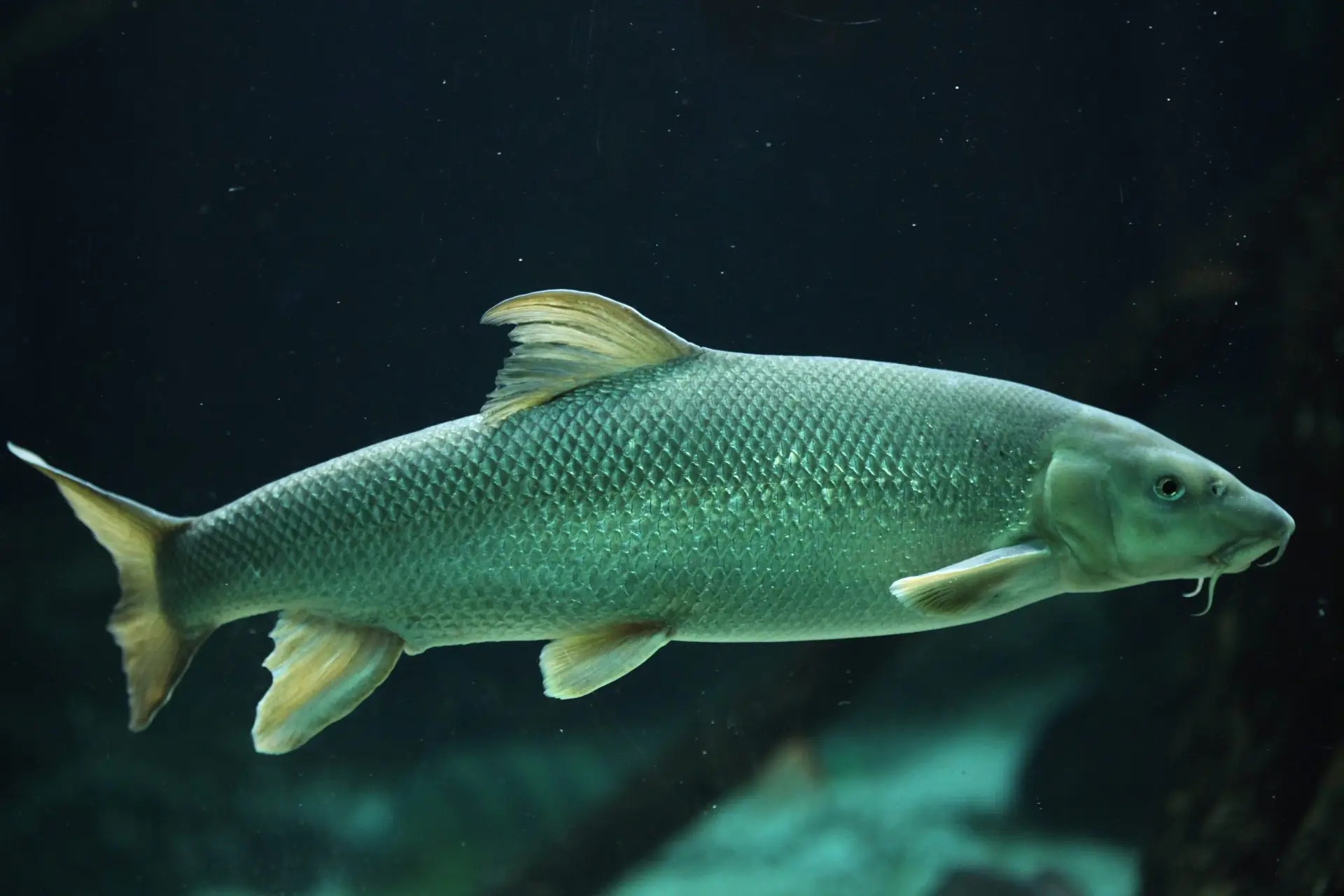
If you’re new to freshwater fishkeeping or looking to upgrade your aquatic ensemble, the Barbel (Latin name: Barbus barbus) deserves your full attention. Native to the rivers of the UK and Europe, this sleek, bottom-feeding species is a master of adaptability. Unlike the prima donnas of the pond world—who demand constant temperature, endless supplements, and a personal aquatic butler—the Barbel is a hardy, resilient chap who’s happy in a wide range of water conditions.
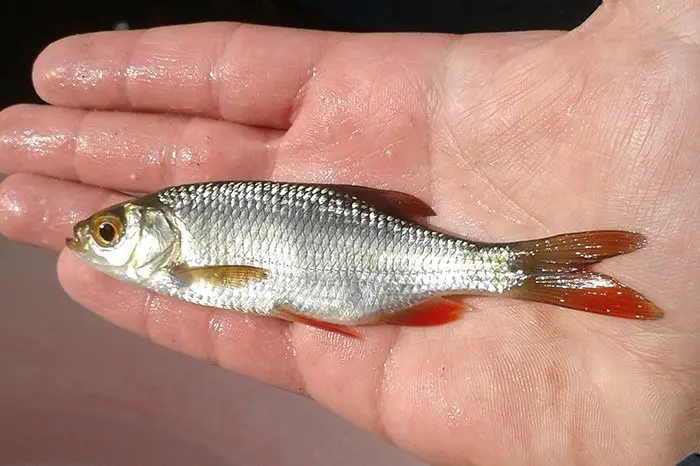
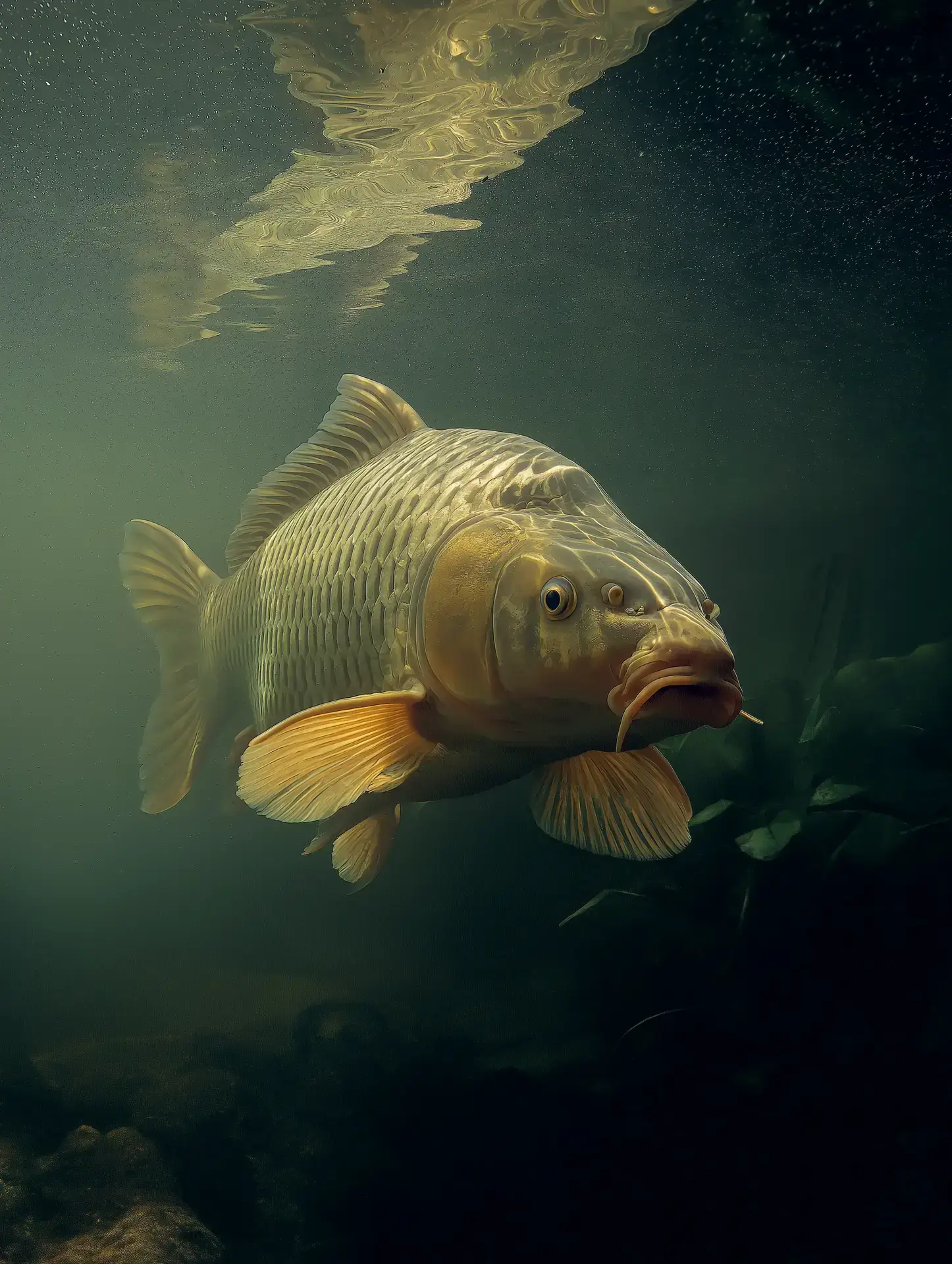
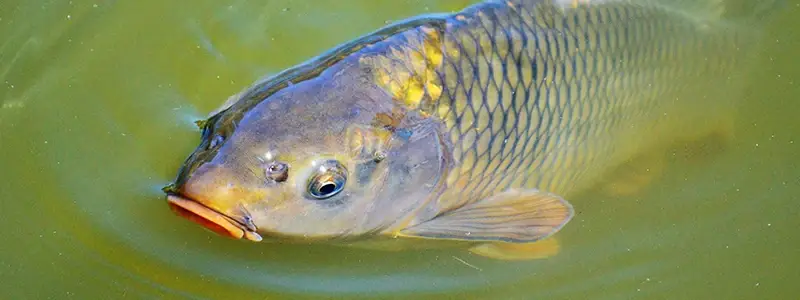
Growing up to 70cm in the wild (that’s over two feet of freshwater elegance), Barbel are striking, silvery fish with a torpedo-like shape and distinctive whisker-like barbels near their mouths (which, as it turns out, is where they get their name). These are not just decorative; they’re functional tools used to root through gravel in search of food.
But before you run off to order a shoal of them, let’s delve into what makes this fish such an intriguing and sometimes overlooked resident of the aquatic world.
Barbel are slow growers. We’re not talking about the kind of fish that balloon in size overnight and outgrow their tank before you’ve even finished your cuppa. No, Barbel take their time—growing steadily and gracefully. This makes them perfect for life in a spacious aquarium in their younger years.
They’re bottom dwellers by nature, preferring the cool, shadowy corners of a tank or pond where they can lurk among rocks and driftwood. Their nocturnal lifestyle also adds a bit of mystery. You might not see much of them during the day, but come nightfall, they’ll emerge from hiding to patrol the substrate like true riverine knights.
Once they begin to outgrow their indoor quarters, it’s time to consider a pond. A big one. Barbel are river fish at heart. This means they crave space, movement, and most critically—oxygen. They’re used to fast-flowing, well-oxygenated water and don’t tolerate poor water quality. A stagnant pond full of decomposing leaves and algae scum? That’s the stuff of nightmares for a Barbel.
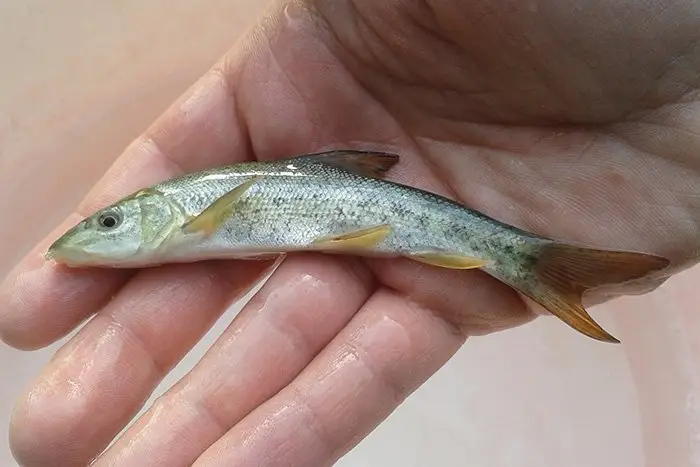
When it comes to water parameters, the Barbel isn’t overly particular. They can acclimatise to a wide range of conditions with a pH between 6.5 and 8.0, and temperatures ranging from a chilly 2°C to a rather toasty 20°C (that’s 34-72°F in old money). This tolerance makes them ideal for UK climates and seasonal pond fluctuations.
However, while they aren’t picky about pH or temperature, they do draw the line at dirty water. Low oxygen levels and poor filtration will spell disaster, so regular maintenance is essential. Think of Barbel like a countryside gentleman—they don’t mind the weather or the mud, but draw the line at a filthy flat.
Aeration systems, waterfall features, and strong filtration are highly recommended for outdoor Barbel setups. And don’t forget: if you’re housing them with other species, make sure their tankmates are equally keen on clean water and don’t have a tendency to hog the food or get too boisterous.
Feeding Barbel is a doddle—if you understand their habits. Since they’re bottom feeders, you’ll want to offer sinking pond pellets, which they’ll happily hoover up from the substrate. They also adore worms (who doesn’t?) and even the occasional slice of ham—yes, ham. It’s not exactly traditional fish fare, but these omnivorous little beasts love a protein-rich snack.
Encouraging them to feed from the surface is possible, but it’ll take time and patience. They’re not natural surface feeders, and changing this behaviour requires some Pavlovian persistence—think routine feeding times, slowly sinking food, and a bit of gentle coaxing.
Remember: what Barbel lack in surface bravado, they make up for in long-term devotion to your pond ecosystem. Their natural scavenging behaviour helps clean up excess food and detritus, keeping things ticking along nicely.
To keep your Barbel healthy and thriving, here’s your no-nonsense checklist:
Meet Tony, a lifelong angler turned garden pond enthusiast from Oxfordshire. After years of fishing along the Thames, he decided to bring a slice of the river home. His plan? Stock his new garden pond with native fish, starting with his all-time favourite: the Barbel.
“I wanted something different from the usual koi or goldfish,” Tony explains. “Barbel are elegant, almost regal. And they remind me of my fishing days.”
He began with four juvenile Barbel in a 400-litre indoor tank, where they quickly settled in. After six months, they were relocated to a 2,000-litre garden pond equipped with a waterfall and a solar-powered air pump.
Tony noticed that while his goldfish swam in the open all day, the Barbel preferred to stay hidden under rocks and emerged mainly after dusk. “They’ve got character,” he laughs. “They’re not flashy, but they’ve got personality.”
Feeding was initially a challenge. Tony’s Barbel ignored floating food completely. After switching to sinking pellets and wriggly worms, they began eating with gusto—and now, two years in, the largest of the bunch is approaching 50cm.
“They’re the unsung heroes of the pond,” Tony concludes. “Low maintenance, visually stunning when they appear, and surprisingly hardy. Just don’t expect them to perform tricks at feeding time.”
“Barbel don’t just live in your pond; they add soul to it. Understated, peaceful, and completely in tune with their watery world.”
— Tony B., Oxfordshire pond keeper
If you’re after a low-key, low-drama fish that quietly goes about its business while bringing natural charm to your setup, the Barbel ticks all the boxes. While they may not compete with koi for surface sparkle, they more than make up for it with their fascinating behaviour, ecological benefits, and gentle, enigmatic presence.
Whether you’re starting with a home aquarium or planning your dream pond, don’t overlook this bottom-dwelling gent of British waters. He may just be the unsung hero your aquatic world has been missing.